

President Donald Trump’s sweeping tariffs are set to drive up the cost of Boeing and Airbus planes, GE Aerospace engines, and hundreds of other aerospace and defense products, threatening an industry that helps soften the U.S. trade deficit by more than $100 billion a year.
“It certainly makes things more expensive for the industry,” Dak Hardwick, vice president of international affairs at the Aerospace Industries Association, which represents Boeing, GE Aerospace, Airbus and dozens of other aerospace and defense companies, said of the tariffs.
The industry group said it is asking the Trump administration to uphold provisions in a nearly half-century old trade agreement that allows for duty-free trade of civilian aircraft and imports tied to defense and national security.
“The line is certainly long” for requests to the White House, Hardwick said.
Trump’s executive order announcing the tariffs said trade and economic policies around the world have exacerbated a decline in overall U.S. manufacturing.
Regarding innovation in the defense sector, the order stated, “If the United States wishes to maintain an effective security umbrella to defend its citizens and homeland, as well as for its allies and partners, it needs to have a large upstream manufacturing and goods-producing ecosystem to manufacture these products without undue reliance on imports for key inputs.”
The aerospace industry has long been a top exporter for the United States. At Boeing alone, more than two-thirds of its airplane orders over the past decade came from customers outside of the United States, according to company data.
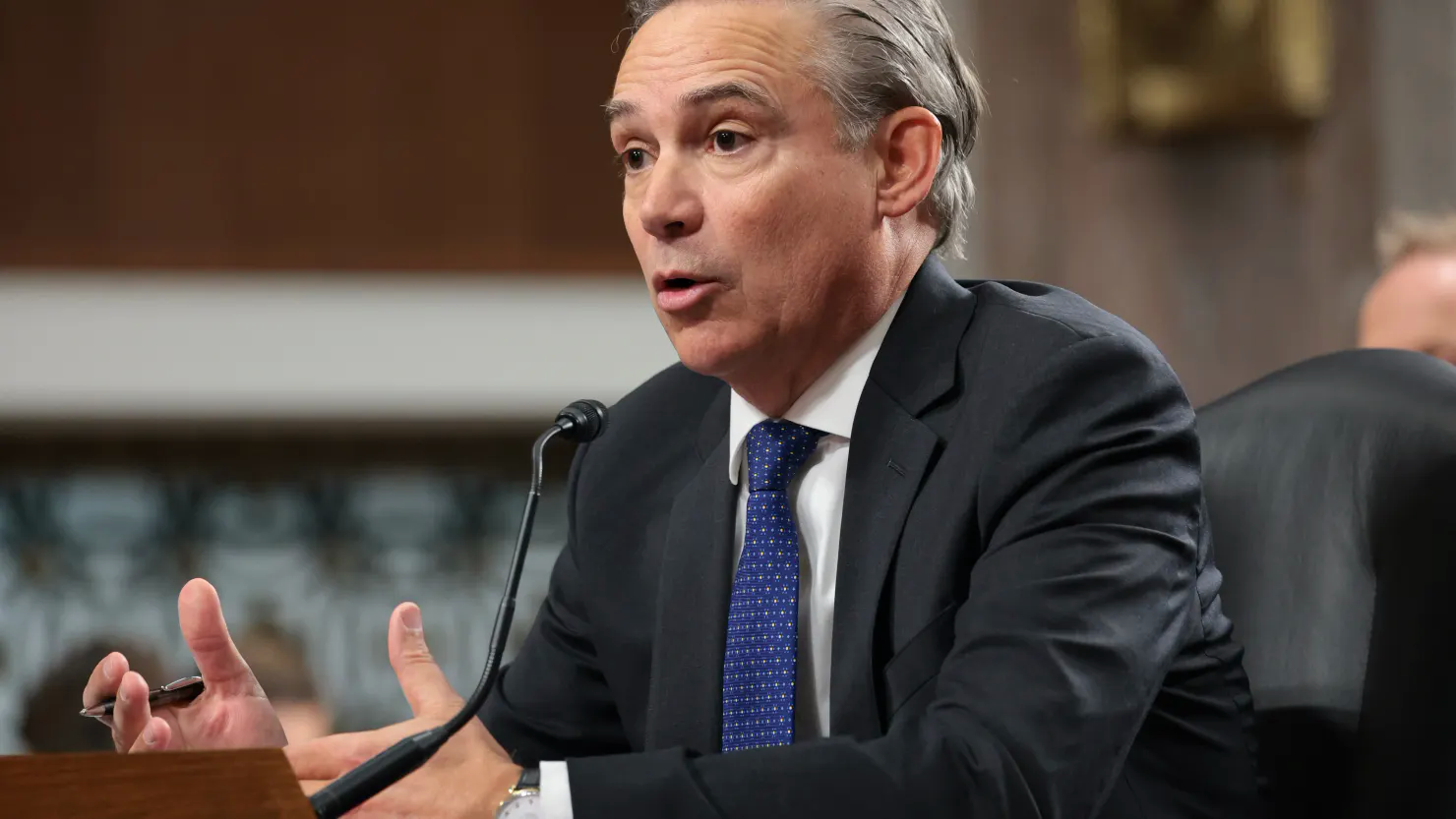
“Free trade is very important to us,” Boeing CEO Kelly Ortberg said at a Senate hearing Wednesday. “We really are the ideal kind of an export company where we’re outselling internationally. It’s creating U.S. jobs, long-term high value U.S. jobs. So it’s important that we continue to have access to that market and that we don’t get in a situation where certain markets become closed to us.”
The industry has mostly bought and sold planes and parts without having to pay tariffs under a 45-year-old trade agreement, which would be derailed by Trump’s new tariffs. The president this week introduced levies of 10% on countries around the world, with higher duties on certain countries and regions, some of which like Europe, are key to the aerospace industry.